To Become a Trickster
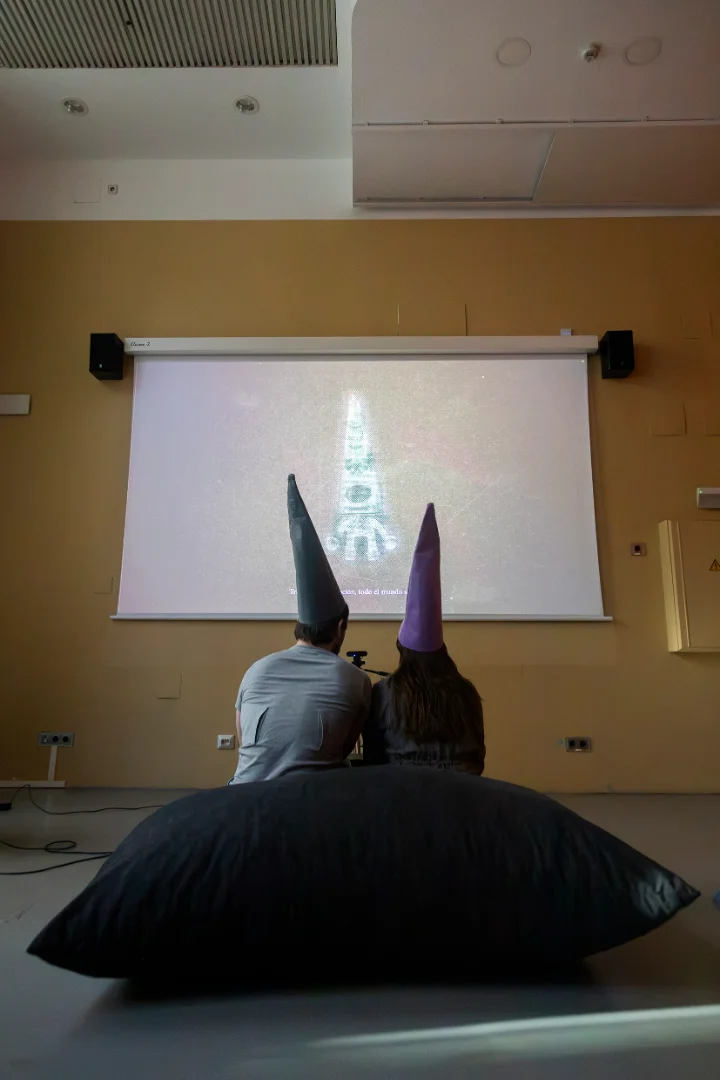
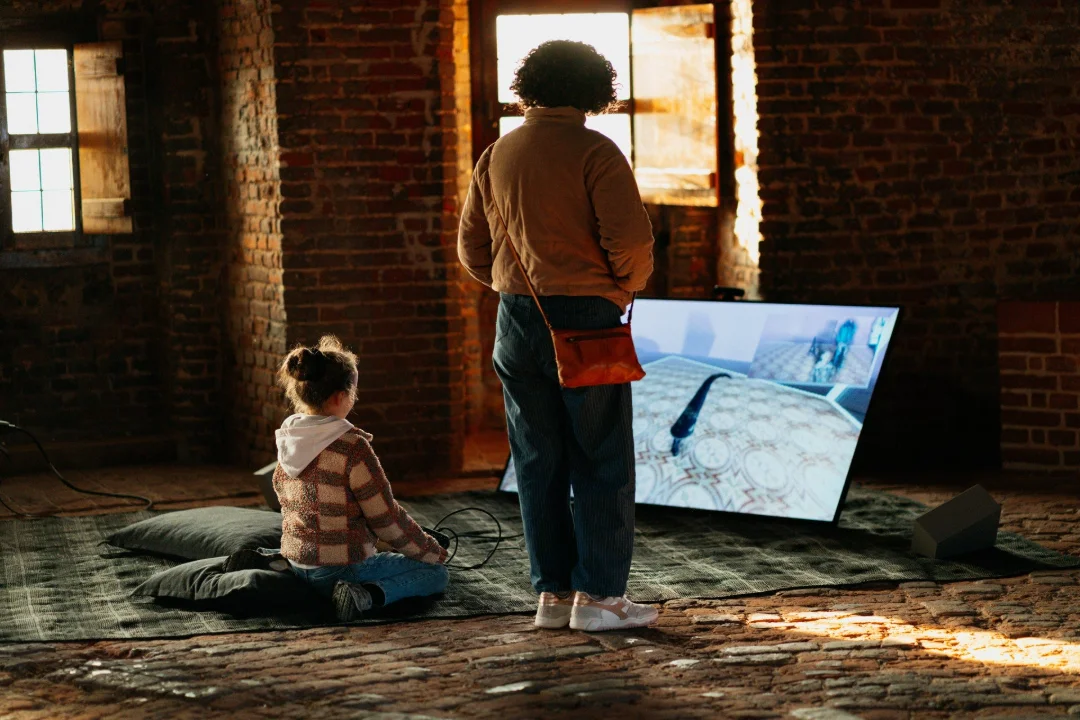
To Become a Trickster is a prototype of an experimental video game about remote work, class, and illusion. A live webcam captures the player and swaps figure and background within a staged video call, giving new meaning to the everyday scenes remote workers build behind blurred filters. Playing as a theatre technician, you build your own illusion from the leftovers of other people’s shows.
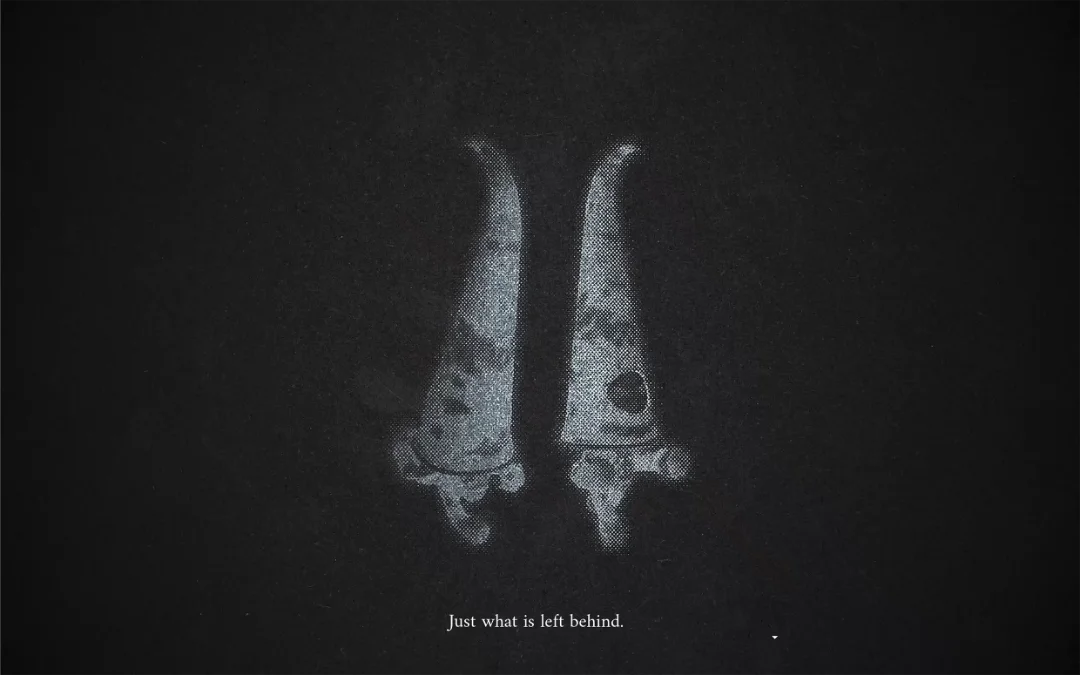
To Become a Trickster is a prototype of an experimental video game about remote work, class, and illusion. It grows from research into whether digital nomads practising geo-arbitrage could be considered a transclass collective. The research concluded that, far from being a class in transition, they are a symptom of a dysfunctional system: housing deregulation, speculative urban development, and mass tourism. Rather than polarised admiration or resentment, the project advocates solidarity between working classes, local and foreign, sedentary and nomadic: a radical collectivity from which to start reimagining alternatives. The game uses the abandoned Teatre Principal of Barcelona as a symbol of speculation and decay, expanding it until the city becomes a stage of trompe-l’œils where remote workers hide their effort backstage. You play a theatre technician who usually builds sets for other people’s shows, but this time reuses the leftovers to build a show of their own. On a technical level, the video game blends the digital and the physical. Risography textures are printed, scanned, and reintegrated into the virtual world, reimagining the low-resolution graphics of past video games. Using the webcam as technical experimentation, the video game swaps figure and subject within a video call, giving new meaning to the everyday stages that remote workers build daily behind blurred backgrounds. It is developed in Godot, an open-source engine, and built entirely with open-source tools. From the trick: if we believed in the illusion even while seeing the trap, perhaps we can believe an alternative exists.